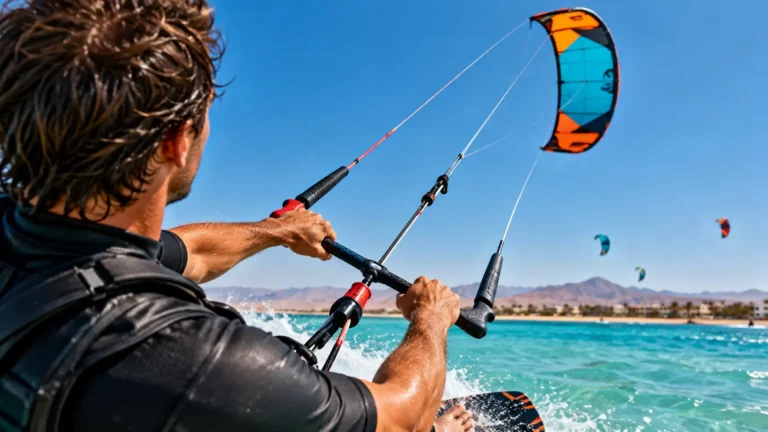
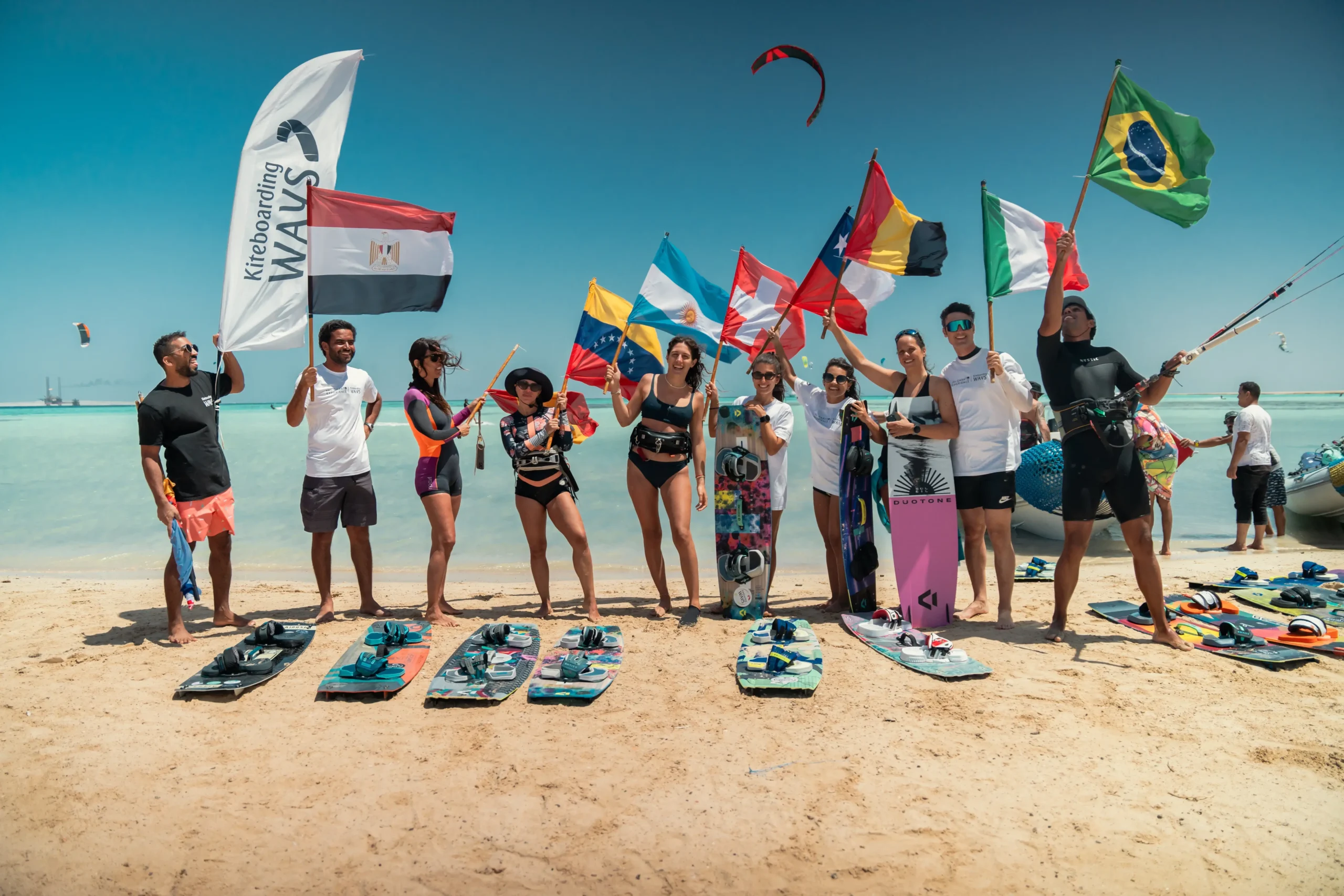
Booking your first kite safari can feel exciting and slightly unfamiliar at the same time. Many international riders know they want consistent wind and remote lagoons, but they are not always sure what daily life on a safari actually looks like.
For riders traveling from Europe or abroad, understanding the full experience before booking helps set the right expectations and allows you to prepare properly for the trip.
What Is A Kite Safari?
A kite safari is a liveaboard kitesurfing experience where riders stay on a yacht and travel between remote islands and lagoons across Egypt’s Red Sea. The experience focuses on maximizing wind access, riding time, and exploring uncrowded kite spots.
Instead of riding at one fixed beach, the boat relocates based on wind conditions, allowing riders to access uncrowded kite spots and shallow flat-water lagoons throughout the trip.
What A Typical Day Looks Like
Life on a kite safari follows a simple routine built around wind conditions and riding opportunities. A typical day usually starts with breakfast on the yacht, followed by a morning wind check and spot planning before heading into multiple kite sessions throughout the day.
Between sessions, riders relax, have lunch onboard, and prepare for the next ride, while evenings often include sunset sessions or BBQ gatherings on remote islands. Unlike hotel-based holidays, most of the daily schedule is centered around maximizing time on the water and adapting to the best possible riding conditions.
The Type Of Kite Spots You Will Ride
One of the biggest reasons riders choose a safari is access to remote lagoons.
These locations often include:
- Flat shallow water
- Empty riding areas
- Small sand islands
- Stable wind conditions
Many of these spots are difficult or impossible to access from land. At Kiteboarding Ways, routes are selected based on real-time forecasts and rider experience levels to maximize water time during the trip.
Accommodation And Life On The Yacht
During a kite safari, the yacht becomes your floating base throughout the trip. Most boats include shared or private cabins, bathrooms and showers, indoor dining areas, and sun decks where riders can relax between sessions.
The atmosphere onboard is usually social and laid-back, with most guests spending their time either riding on the water, relaxing with the group, or preparing for the next session.
Food And Daily Comfort
Most kite safari packages include meals throughout the trip.
Typical onboard meals include:
- Breakfast
- Lunch
- Dinner
- Snacks and drinks between sessions
The experience is generally comfortable, but it is important to remember that the focus is on riding rather than luxury tourism.
Wind And Riding Conditions
Wind reliability is one of the main reasons international riders choose Egypt for a kite safari. The Red Sea is famous for its consistent thermal wind, warm temperatures, long riding sessions, and flat-water lagoons that create ideal kitesurfing conditions throughout much of the season.
During the peak months, many riders enjoy multiple sessions per day, and at Kiteboarding Ways, safari routes are planned around the periods with the strongest wind consistency to help guests maximize their time on the water.
Skill Level Requirements
Kite safaris are generally best suited for riders who are already independent on the water. Most safari programs require participants to ride confidently in both directions, stay upwind, relaunch the kite independently, and handle basic self-rescue situations when needed.
Beginners are usually encouraged to first build their skills through structured Kitesurfing Lessons in El Gouna before joining a Red Sea safari experience.
What To Pack For A Kite Safari
Packing correctly can improve your overall experience.
Most riders bring:
- Harness and kite gear
- Rash guard or wetsuit
- Sunscreen and sunglasses
- Dry bags for personal items
- Lightweight clothing for evenings
Many international travelers also bring spare parts and repair kits.
Common Misunderstandings About Kite Safaris
Some riders expect a kite safari to feel similar to a luxury cruise, but the experience is much more focused on wind conditions and riding opportunities. Daily schedules usually depend on the weather, internet access can be limited, and remote lagoons naturally offer fewer facilities compared to hotel-based destinations.
For most kitesurfers, however, this simplicity and full focus on riding is exactly what makes a Red Sea kite safari so unique and memorable.
What Makes Kiteboarding Ways Different For International Guests
Kiteboarding Ways is designed specifically around the needs of international riders traveling to Egypt for a limited period of time. From wind-focused safari planning and experienced local captains to small rider groups and smooth airport coordination, every part of the experience is organized to maximize time on the water.
This structured approach helps guests spend less time dealing with logistics and more time enjoying consistent Red Sea riding conditions.
How A Kite Safari Differs From A Kite Camp
Kite Safari vs Kite Camp Comparison
| Feature | Kite Safari | Kite Camp |
| Accommodation | Liveaboard yacht | Hotel or apartment stay |
| Riding Style | Mobile experience across remote lagoons | Fixed riding location |
| Wind Access | Wind-optimized routes | Depends on one main spot |
| Atmosphere | Adventure-focused and rider-centered | Relaxed vacation environment |
| Daily Schedule | Built around wind conditions | More flexible and social |
| Best For | Independent and experienced riders | Beginners and progressing riders |
| Lessons | Limited beginner coaching | Structured lessons available |
| Lifestyle | Remote islands and quiet surroundings | Restaurants, cafés, and nightlife access |
| Main Advantage | Maximum riding time and uncrowded lagoons | Comfort and easy learning setup |
Start Planning Your Red Sea Kiteboarding Adventure
Preparing properly before your safari can make the entire experience smoother and far more enjoyable. At Kiteboarding Ways, we assist international riders with everything from airport coordination and trip planning to daily safari logistics, helping guests focus fully on the riding experience.
Since spaces on Red Sea safaris are limited during the busiest wind months, early booking is usually recommended.
Final Thoughts
A kite safari is not just about kitesurfing; it is a completely different way to experience the Red Sea. From remote lagoons to wind-focused daily routines, the trip is designed around maximizing time on the water and exploring locations that most tourists never see.
For riders looking for consistent wind, uncrowded conditions, and a more immersive kiteboarding experience, a Red Sea safari often becomes one of the most memorable trips they ever take.
Frequently Asked Questions
What Happens On A Kite Safari?
Riders stay on a yacht and travel between remote Red Sea kite spots while following daily wind conditions and riding sessions.
Is A Kite Safari Suitable For Beginners?
Usually, no. Most kite safaris are designed for independent riders who can already control the kite, ride confidently, and stay upwind without assistance.
What Should I Bring On A Kite Safari?
You should bring your kite gear, lightweight clothing, sunscreen, sunglasses, swimwear, and personal essentials for several days on board. Many riders also carry spare parts, dry bags, and a rash guard or wetsuit, depending on the season.
How Many Days Does A Kite Safari Last?
Most kite safaris last between 3 and 7 days, depending on the route and package. Longer trips are also available during peak wind seasons for riders wanting extended time on the water.