Kitesurfing may look complex from the outside, but once you understand the basics, it becomes much easier to follow.
The sport combines wind power, kite control, and board balance to create movement across the water. While it may seem technical at first, the core concept is surprisingly simple.
For anyone planning to learn during a trip to Egypt or another windy destination, understanding how kitesurfing works can make your first lessons much smoother.
How Does Kitesurfing Work?
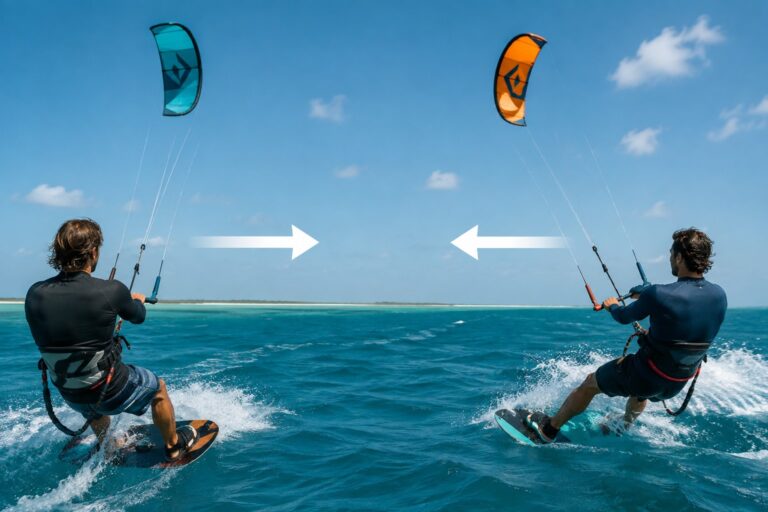
Kitesurfing works by using a large controllable kite to pull you across the water while you stand on a board.
Here’s the basic idea:
- The kite captures wind power
- The rider controls the kite using a bar and lines
- The pull from the kite creates forward motion
- The board allows you to glide across the water
By adjusting the kite’s position in the sky, you control speed, direction, and power. Kitesurfing works by using a wind-powered kite to pull a rider across the water while standing on a board. The rider controls the kite to manage speed, direction, and balance.
The Main Components Of Kitesurfing
Understanding the equipment makes everything clearer.
Kite
The kite acts like an engine, capturing wind energy and generating power.
Control Bar And Lines
The rider uses a bar connected to the kite to steer and control power.
Harness
The harness connects you to the kite and transfers the pull to your body.
Board
The board allows you to glide and balance on the water.
Each part works together to create a smooth riding experience.
How The Kite Generates Power
The kite moves through the wind to create force.
When the kite moves:
- It generates pull (power)
- The rider is pulled forward
- The board glides across the water
The stronger the wind, the more power the kite produces. Controlling this power is the key to safe and effective kitesurfing.
How You Control Direction And Speed
Kite control is the most important skill in kitesurfing.
You control movement by:
- Steering the kite left or right
- Adjusting the kite’s height in the sky
- Managing the power using the control bar
Small movements can make a big difference in speed and direction.
How You Stay Balanced On The Board
Balance comes from body positioning and timing.
To stay stable:
- Keep your weight centered
- Lean back slightly against the kite pull
- Use the board edges to control direction
This balance becomes easier as you practice.
Why Kitesurfing Feels Difficult At First
Kitesurfing can feel challenging in the beginning, but the difficulty is mainly about coordination rather than strength.
Beginners need to learn how to control the kite in the air, manage the power from the wind, and balance on the board at the same time. This combination can feel unfamiliar at first, but with practice, it becomes much more natural.
How Beginners Learn Step By Step
Kitesurfing is taught in a structured progression.
Typical learning stages include:
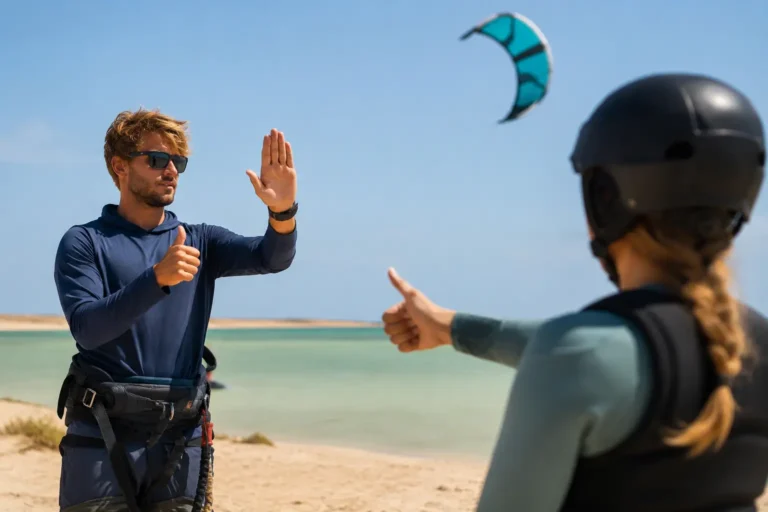
- Learning kite control on land
- Practicing in shallow water
- Body dragging (without the board)
- First board starts
- Short rides
Each step builds confidence and control.
Why Egypt Is Ideal For Learning How Kitesurfing Works
For beginners, Egypt is one of the easiest places to understand and learn kitesurfing.
The Red Sea offers:
- Consistent thermal wind
- Flat, shallow lagoons
- Warm water conditions
These conditions allow beginners to focus on technique without dealing with difficult water or unstable wind.
At Kiteboarding Ways, lessons are designed to take advantage of these conditions, helping beginners learn faster and more comfortably.
Common Mistakes Beginners Make
When starting, many beginners:
- Pull the bar too hard
- Oversteer the kite
- Forget to maintain balance
- Panic in stronger wind
These mistakes are normal and improve quickly with proper instruction.
Tips To Understand Kitesurfing Faster
If you want to learn quickly:
- Focus on kite control first
- Stay relaxed and patient
- Take consecutive lessons
- Learn in consistent wind conditions
Understanding the basics early makes everything easier.
Why do many international riders learn kiteboarding
Many riders traveling from Europe choose Kiteboarding Ways because it simplifies the learning process.
Our programs offer:
- Certified instructors (IKO & VDWS)
- Beginner-friendly lagoon conditions
- Structured step-by-step coaching
- Equipment suited to your level
For international visitors, this ensures a smooth and efficient learning experience.
After understanding the basics, riders can continue improving through a kite camp in El Gouna or experience real riding conditions during a Red Sea kite safari.
Plan Your First Kitesurfing Experience
If you’re planning to learn kitesurfing, understanding how it works is just the first step.
At Kiteboarding Ways, we guide beginners through every stage, from basic kite control to their first rides on the water.
Booking your lessons in advance helps ensure availability, especially during peak travel months.
Final Thoughts
Kitesurfing may seem technical at first, but the core idea is simple: using wind power to move across the water with control and balance. Once you understand how each part works together, the learning process becomes much clearer.
With the right conditions and proper guidance, most beginners quickly move from confusion to confidence, turning their first sessions into real progress on the water.
Frequently Asked Questions
How Does Kitesurfing Work In Simple Terms?
Kitesurfing works by using a kite to catch the wind and pull you across the water while riding a board. You control the kite to manage speed, direction, and balance.
Do You Need Strong Winds for Kitesurfing?
You need steady wind, but not extreme conditions. Moderate wind is ideal, especially for beginners learning safely.
Is Kitesurfing Hard To Control?
At the beginning, it can feel challenging because it requires coordination. With practice and guidance, control becomes much easier.
Can Beginners Understand Kitesurfing Quickly?
Yes, most beginners understand the basics within a few lessons. With consistent practice, they can quickly build confidence on the water.