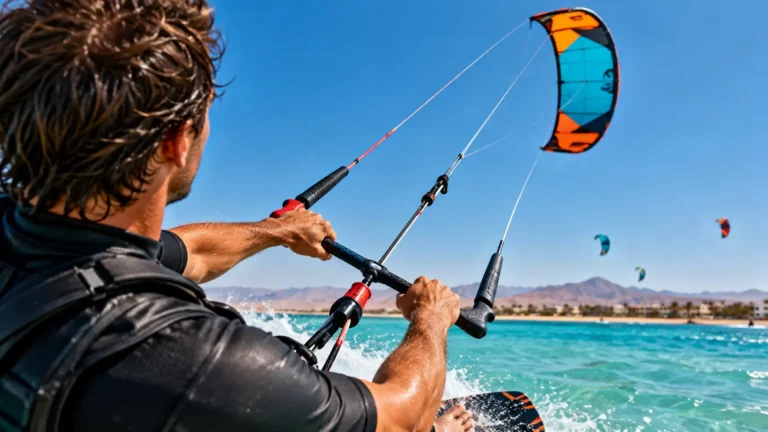
For many beginners, the first real breakthrough in kiteboarding is the moment they get up and ride on the board. This is called the water start, and it’s often the step that turns learning into actual riding.
If you’re wondering how to water start kiteboarding, the process is easier than it looks when broken down into simple steps. With the right technique and timing, most beginners can achieve their first successful water start within a few sessions.
How To Water Start Kiteboarding
A water start in kiteboarding is the technique of getting up on the board using the kite’s power.
The basic process includes:
- Positioning your body correctly in the water
- Placing the board on your feet
- Steering the kite to generate power
- Letting the kite pull you up onto the board
Once you understand the timing, the movement becomes smooth and natural. To water start kiteboarding, position your board, steer the kite to generate power, and let the pull lift you onto the board. Most beginners learn this within a few sessions with proper instruction.
Step 1: Position Your Body Correctly
Your starting position plays a key role in a successful water start. You should float on your back with your knees slightly bent and your body facing downwind, which helps you stay balanced and stable before initiating the movement.
Step 2: Place The Board On Your Feet
Before initiating the water start, it’s important to position the board correctly for better control. Keep the board perpendicular to the wind, bring your knees toward your chest, and place your feet securely into the straps, as this setup will help you achieve a smooth, controlled start.
Step 3: Position The Kite
The kite should be in a neutral position before starting.
- Keep the kite at around 12 o’clock
- Maintain steady control
- Avoid sudden movements
A stable kite makes the start easier.
Step 4: Generate Power With The Kite
This is the most important moment in the water start, where timing and control come together. You need to dive the kite from the 12 o’clock position toward 1 or 2 o’clock to create forward pull, while avoiding pulling the bar too hard, as the kite’s power will naturally lift you onto the board.
Step 5: Let The Kite Pull You Up
Instead of trying to force yourself onto the board, focus on staying relaxed and letting the kite do the work. Keep your arms steady and avoid sudden movements, as most beginners lose balance at this stage by overreacting instead of trusting the kite’s pull.
Step 6: Maintain Balance And Ride
Once you’re up:
- Lean slightly back
- Keep the board flat
- Look in the direction you want to go
This helps you ride longer and stay stable.
Why Water Starts to Feel Difficult At First
Water starts can feel challenging in the beginning because they require proper timing and coordination between your body and the kite. Beginners often struggle by pulling too hard on the bar, mistiming the kite movement, or having incorrect body positioning, but with consistent practice, these mistakes become much easier to correct.
Common Mistakes To Avoid
Avoid these common beginner errors:
- Trying to stand up too early
- Overpowering the kite
- Not keeping the board aligned
- Looking down instead of forward
Fixing these quickly improves your success rate.
Tips To Master Water Starts Faster
To improve quickly:
- Focus on kite control first
- Practice in steady wind conditions
- Stay relaxed and patient
- Follow your instructor’s guidance
Consistency is key to mastering this step.
Why Egypt Is Ideal For Practicing Water Starts
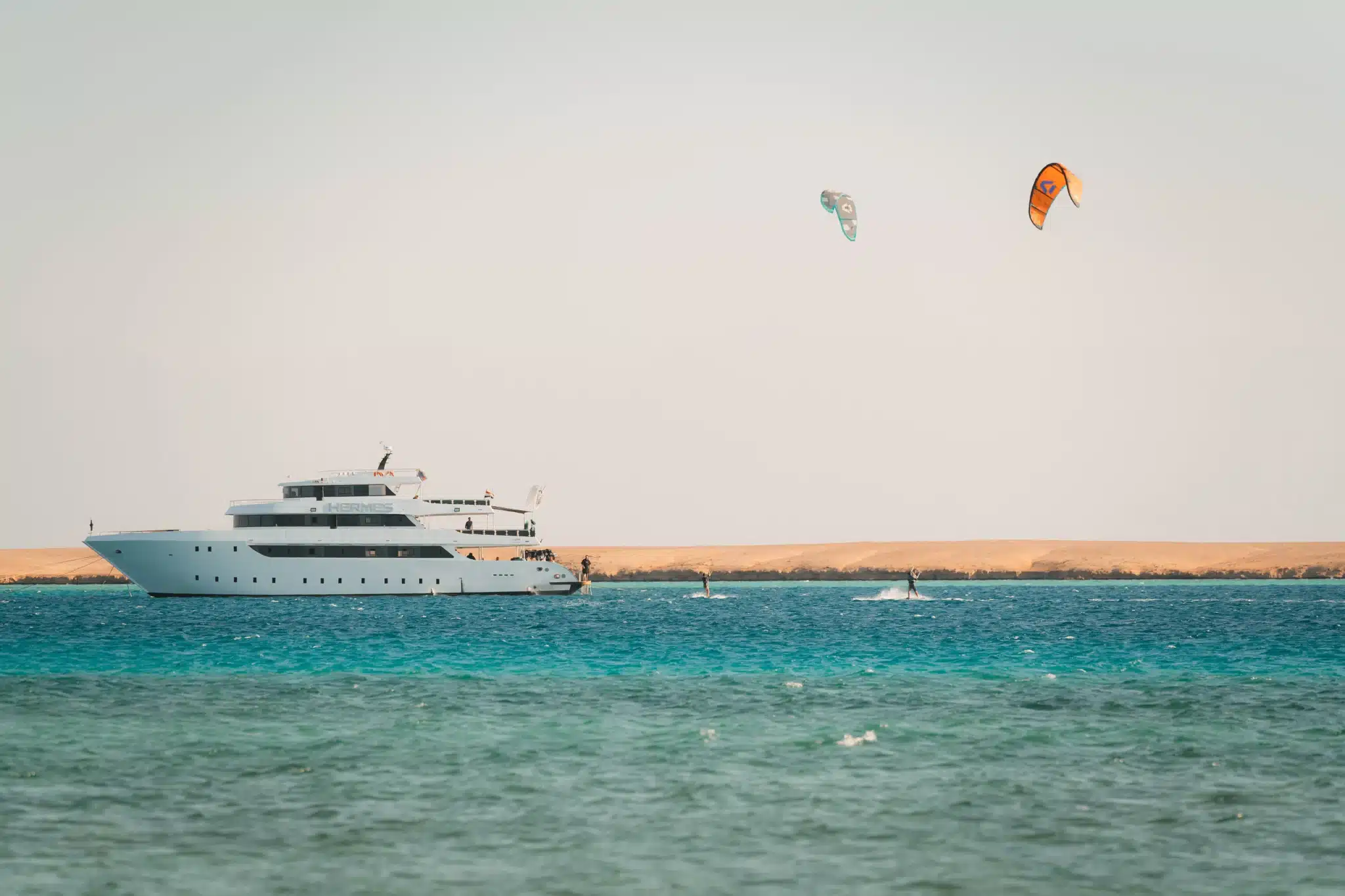
For beginners, Egypt offers excellent conditions for practicing water starts. The Red Sea provides flat, shallow water, consistent wind, and a safe learning environment, allowing riders to focus on technique without dealing with waves or unstable conditions.
At Kiteboarding Ways, instructors guide riders step by step through water start techniques, helping them progress faster and build confidence on the water.
Why Do Many International Riders Train With Kiteboarding Ways
Many riders traveling from Europe choose Kiteboarding Ways because of the structured progression and ideal learning conditions.
Our programs include:
- Certified instructors (IKO & VDWS)
- Small group sessions
- Real-time wind-based training
- Beginner-friendly lagoons
For international visitors on short trips, this ensures maximum progress in a limited time.
After mastering water starts, riders can continue improving through a kite camp in El Gouna or advance further with a Red Sea kite safari.
Plan Your Progression
If you’re currently learning kiteboarding, mastering the water start is a key milestone. At Kiteboarding Ways, we help riders move from basic control to confident riding through structured lessons and ideal conditions.
Booking your sessions in advance is recommended, especially during peak seasons.
Final Thoughts
Water starting is the moment when everything begins to come together in kiteboarding. Once you understand the timing and trust the kite’s power, getting up on the board becomes much easier.
With consistent practice and the right conditions, most beginners quickly turn their first successful water start into longer and more controlled rides.
Frequently Asked Questions
What Is A Water Start In Kiteboarding?
A water start is the technique used to get up on the board using the kite’s power. It is one of the first major steps toward riding.
Is Water Starting to Be Difficult For Beginners?
It can feel challenging at first due to timing and coordination. With practice and guidance, it becomes much easier.
How Long Does It Take To Learn Water Starts?
Most beginners learn water skills within a few sessions. Progress depends on practice and conditions.
Do I Need Strong Wind For A Water Start?
No, moderate and steady wind is ideal. Too much wind can make the process harder for beginners.