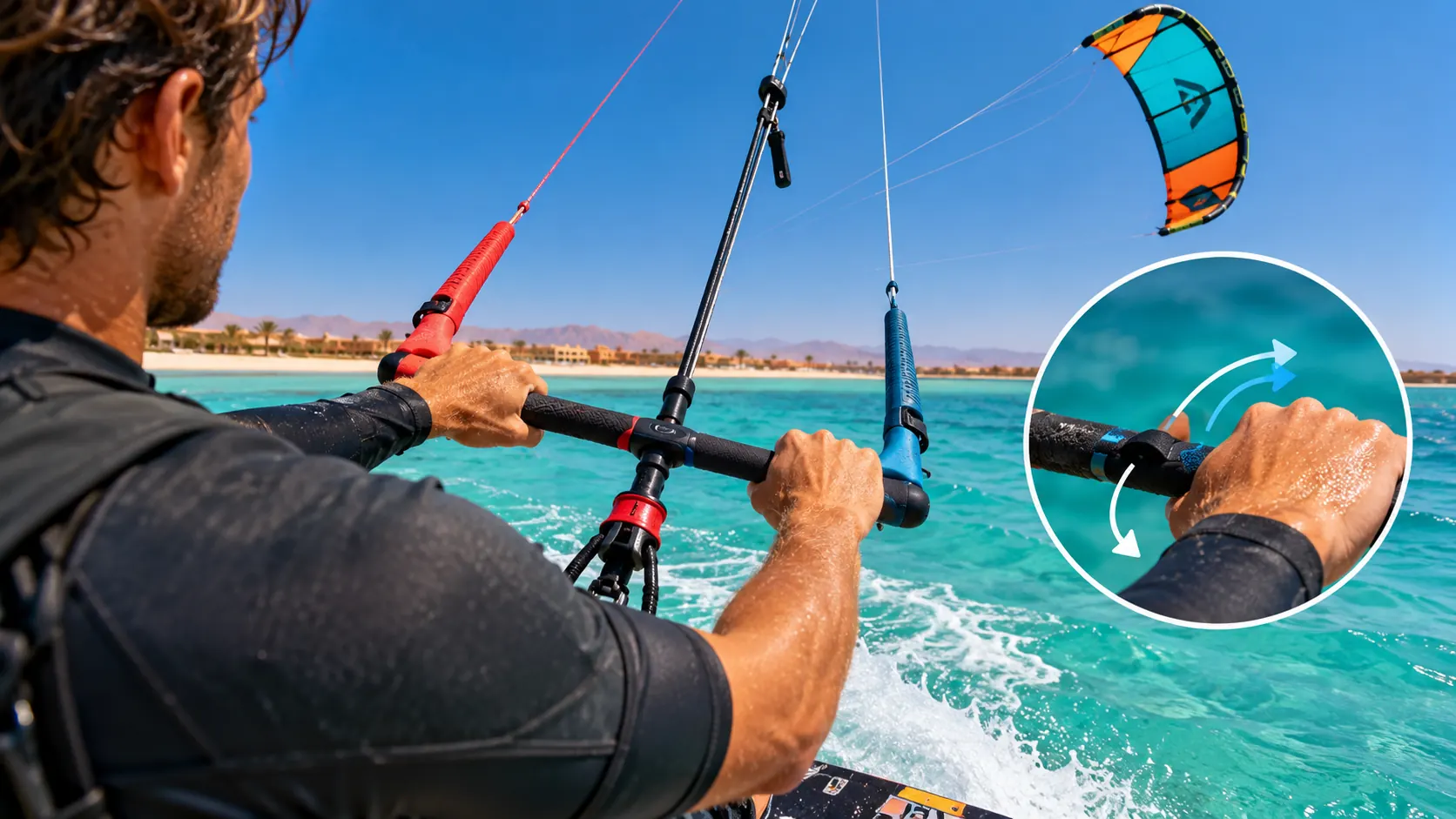
Different kites can feel surprisingly different through the control bar. One may feel light in your hands, while another gives much stronger feedback, even when both are designed for similar wind conditions.
So, what is bar pressure in kitesurfing? Bar pressure is the force and feedback a rider feels through the kite’s control bar while the kite is flying. It is a description of rider-perceived feel, not an inflation-pressure measurement, and it can vary with kite design, control-system setup, wind conditions, and the individual rider.
For beginners, bar pressure is one of the terms that helps describe how connected a kite feels through the control system. Understanding it also makes kite reviews, equipment discussions, and instructor feedback much easier to follow.
What Does Bar Pressure Mean in Kitesurfing?
Bar pressure in kitesurfing is the amount of force and feedback a rider feels through the control bar.
It should not be confused with the air pressure used to inflate a kite. When riders describe a kite as having light, medium, or heavy bar pressure, they are talking about the way the control system feels in their hands.
Bar pressure can be discussed through two closely related types of feedback: the force felt through general bar input and the feedback associated with steering the kite.
These sensations are connected, but they are not always identical. A kite can have a relatively light overall bar feel while still providing noticeable steering feedback.
Bar pressure is also partly subjective. Two riders may describe the same kite differently because experience, physical perception, wind conditions, and familiarity with the equipment can all influence how the feedback feels.
What Does Light Bar Pressure Feel Like?
Light bar pressure means the control bar gives relatively subtle resistance and feedback to the rider.
A kite with lighter bar pressure can feel less physically demanding through the hands and arms. Some riders enjoy that lighter sensation, particularly when they prefer a less pronounced control-bar feel.
The trade-off is that feedback may feel more subtle. A rider who prefers a stronger sense of connection with the kite may be more comfortable with medium or heavier bar feedback.
Light bar pressure is therefore a characteristic, not automatically an advantage.
What Does Heavy Bar Pressure Feel Like?
Heavy bar pressure means the rider feels stronger resistance and feedback through the control bar.
This can make the kite feel more noticeable through the hands and may give some riders a clearer sense of changes in its response.
Stronger feedback can also become more physically noticeable over time, which is one reason personal preference matters when riders compare different kite models.
Heavy bar pressure does not mean the kite is automatically more powerful. It simply describes a firmer control-bar feel.
Light vs Heavy Bar Pressure: What’s the Difference?
The main difference is how much feedback the rider perceives through the control bar.
| Bar Pressure | General Feel |
| Light | Less resistance and more subtle feedback |
| Medium | A balance between subtle and firm feedback |
| Heavy | Stronger resistance and more noticeable feedback |
These terms describe bar feel, not a fixed performance ranking.
One rider may prefer light feedback, while another may feel more comfortable with a stronger connection through the bar.
Is Bar Pressure the Same as Kite Power?
No. Bar pressure and kite power describe different things.
Kite power refers to the aerodynamic pull created by the kite.
Bar pressure describes the force and feedback the rider perceives through the control bar.
A kite can generate considerable pull while still having relatively light bar pressure. Another kite may feel firmer at the bar without producing more overall power.
This distinction is especially useful for beginners because a heavier-feeling bar should not automatically be interpreted as a more powerful kite.
For the broader concept of changing a kite’s available power response, read our What Is Depower in Kitesurfing? guide.
What Affects Bar Pressure in Kitesurfing?
Bar pressure is influenced by the complete relationship between the kite design, control system, setup, wind, and rider.
- kite shape and aerodynamic design
- bridle design
- line configuration
- kite size
- control-bar system
- manufacturer setup
- trim
- wind conditions
- kite position
- equipment condition
This is why there is no universal bar-pressure level that applies to every kite.
Different models are intentionally designed to feel different. Some prioritize lighter feedback, while others provide a firmer or more direct connection through the bar.
Why Do Different Kites Have Different Bar Pressure?
Different kites have different bar pressure because their aerodynamic designs and control systems transmit forces to the rider differently.
Canopy shape, bridle configuration, attachment geometry, line relationships, and manufacturer design choices can all influence the amount and character of feedback felt through the bar.
This explains why two kites of a similar size can still feel noticeably different.
Bar pressure is therefore one of the characteristics riders and reviewers use when describing overall kite bar feel.
Can Manufacturer Settings Affect Bar Feel?
Yes. Some kite designs include manufacturer-defined configuration options that can change aspects of steering or bar feedback.
The available options depend entirely on the specific kite and control system, so they should not be treated as universal adjustments that work the same way across different brands.
For equipment-specific information, riders should follow the manufacturer’s documentation and discuss unfamiliar setups with a qualified instructor or equipment professional.
Does Wind Strength Change Bar Pressure?
Wind conditions can change how noticeable bar feedback feels to the rider.
As the aerodynamic forces acting on the kite change, the force transmitted through the control system can also feel different.
This does not make bar pressure a measurement of wind speed. The kite design, setup, rider perception, and other conditions still influence the overall feeling.
International riders planning kitesurfing in Egypt can learn more about forecast terminology, gusts, and wind direction in our How To Read A Kitesurfing Wind Forecast guide.
Does Kite Position Affect Bar Feel?
Kite position can influence the forces experienced through the control system, so the bar may not feel identical throughout the kite’s flying area.
That does not make bar pressure and kite position the same concept. Bar pressure describes rider-perceived feedback, while kite position describes where the kite is flying relative to the rider and wind.
For the full explanation of kite position, read What Is the Wind Window in Kitesurfing?.
How Is Bar Pressure Related to Sheeting?
Bar pressure and sheeting are related, but they describe different parts of kite response.
Sheeting describes changes in the kite’s aerodynamic response through the control-bar relationship. Bar pressure describes the force and feedback the rider feels through that system.
Because changes in the kite’s aerodynamic state can affect bar feel, the two concepts can interact without being interchangeable.
Our Sheeting In vs Sheeting Out in Kitesurfing guide explains sheeting separately, including its relationship with kite response and angle of attack.
Bar Pressure vs Steering Pressure: What’s the Difference?
Bar pressure is a broad description of the feedback felt through the control bar, while steering pressure more specifically describes the effort and feedback associated with steering input.
The distinction matters because a kite’s overall bar feel and its steering characteristics are not necessarily identical.
Kite reviews sometimes use these terms loosely, so it helps to look at the surrounding context when comparing equipment descriptions.
Is Lighter Bar Pressure Always Better?
No. There is no universally best bar-pressure level for every rider.
Some riders prefer light feedback because they enjoy a less physically noticeable bar feel. Others prefer firmer feedback because they like a stronger sense of connection with the kite.
Experience, personal preference, equipment design, and riding style can all influence which feeling a rider prefers.
For beginners, the useful goal is understanding the difference, not deciding that one category is always superior.
Why Does Bar Pressure Matter for Beginners?
Bar pressure matters because the control bar is one of the main ways a rider receives physical feedback from the kite.
Beginners initially have many new terms to understand, including bar pressure, steering pressure, trim, sheeting, and depower. Knowing what each term describes makes professional instruction easier to follow.
The important point is not to memorize technical vocabulary. It is to recognize that different terms describe different parts of the kite-and-control-system relationship.
Practical kite control should be learned with professional instruction and equipment appropriate for the rider and conditions.
Why Can Rental Kites Feel Different From Your Own Kite?
A rental or school kite may feel unfamiliar even when its stated size looks similar to equipment you have used before.
Different brands and models can have different bridles, aerodynamic designs, control systems, and bar-feedback characteristics.
This is particularly relevant for international riders traveling for kiteboarding in Egypt, where they may use school or rental equipment instead of bringing their usual setup.
Knowing terms such as light, medium, and heavy bar pressure makes it easier to describe those differences when speaking with instructors or equipment staff.
Bar Pressure During Kitesurfing Lessons in El Gouna, Egypt
For international riders learning kitesurfing in El Gouna, understanding bar pressure can make instructor explanations and equipment discussions clearer.
El Gouna attracts riders from different countries and experience levels. Some beginners are using a kite control bar for the first time, while progressing riders may already be familiar with equipment that feels very different.
During professional kitesurfing lessons in Egypt, instructors can explain how the specific school equipment is designed to feel and how its feedback differs from other setups.
The same knowledge is useful for experienced travelers using rental equipment while enjoying Red Sea kitesurfing or kiteboarding in El Gouna.
Riders beginning their training can explore our Beginner Kite Lessons in El Gouna for more information about professional instruction.
Final Thoughts
Bar pressure in kitesurfing is the force and feedback a rider perceives through the control bar.
Light, medium, and heavy bar pressure describe different levels of control-bar feedback, but none is automatically better.
Kite design, bridle configuration, control system, setup, wind conditions, equipment condition, and rider perception can all influence how a kite feels.
Bar pressure should also be kept separate from related concepts. It is not another name for kite power, depower, sheeting, steering pressure, or kite position within the wind window.
For international riders learning or renting equipment in El Gouna, Egypt, understanding bar pressure provides useful vocabulary for comparing unfamiliar kite systems and communicating clearly with professional instructors.
Frequently Asked Questions
Do Kite Brands Use a Standard Bar-Pressure Rating?
No. There is no universal rating system that lets riders compare bar pressure numerically across every brand. Terms such as light, medium, and heavy are generally descriptive, so reviews should be read in context.
Can Different Sizes of the Same Kite Model Have Different Bar Feel?
Yes. Different sizes within the same model range can feel different because their dimensions, operating conditions, and aerodynamic loads are not identical.
Can Equipment Wear Change Bar Feel Over Time?
It can. Changes in line condition, component wear, or system tuning may affect how the kite responds and how feedback is transmitted through the control system. Manufacturer inspection and maintenance guidance should be followed.
Does Control-Bar Grip Affect Perceived Bar Pressure?
The grip itself does not define the kite’s aerodynamic bar pressure, but its shape, thickness, and surface can influence how feedback feels in the rider’s hands.
Is Bar Pressure the Same as Steering Speed?
No. Bar pressure describes felt resistance and feedback, while steering speed describes how quickly the kite responds to steering input. A kite can have light bar pressure without necessarily being a fast-steering kite.
Why Do Kite Reviews Mention Bar Pressure?
Bar pressure helps readers understand how physically noticeable and communicative a kite feels through the control bar. It is one part of the overall riding character alongside stability, turning behavior, and other design traits.
Can Gusty Wind Make Bar Pressure Feel Less Consistent?
Yes. Changing wind strength can alter the aerodynamic forces on the kite, so the feedback felt through the bar may become less consistent than it is in steadier conditions.
Can a Different Control Bar Change How a Kite Feels?
Potentially, because bar geometry and control-system design can affect the overall response. Riders should only use control systems that the manufacturer identifies as compatible with the specific kite.
Does Rider Strength Change the Actual Bar Pressure?
Rider strength does not change the kite’s aerodynamic design, but it can change how heavy or light the same feedback feels to that individual rider.
Is Bar Pressure Important When Reading a Kite Review?
Yes, especially if you already know whether you prefer subtle or stronger control-bar feedback. It should still be considered alongside the kite’s intended use, compatibility, stability, and manufacturer guidance.