When planning a kitesurfing trip, one of the most common questions beginners ask is: what size kite for kiteboarding should I use?
This decision plays a major role in your safety, control, and overall learning experience. Choosing the wrong kite size can slow your progress or make conditions more difficult than they need to be.
For international riders traveling from Europe to destinations like Egypt’s Red Sea on a short kite trip, understanding kite size in advance helps you learn faster and make the most of your time on the water.
What Size Kite Do You Need For Kiteboarding?
Most riders use kites between 7m and 12m, depending on wind conditions and body weight.
Here’s a simple guideline:
- 10–14 knots → 12m–15m kite
- 14–20 knots → 9m–12m kite
- 20–30 knots → 6m–9m kite
For beginners, the most commonly used kite size is 9m to 12m, which provides the best balance between power and control.
Most beginners use a 9m–12m kite, depending on wind speed and body weight. Larger kites are used in light wind, while smaller kites are used in strong wind conditions.
Why Kite Size Matters
Kite size directly controls how much power you generate.
Choosing the right size helps you:
- Maintain control of the kite
- Avoid being overpowered
- Ride more comfortably
- Progress faster
Using a kite that is too large can feel overwhelming, while a kite that is too small may not generate enough power to ride effectively.
How Wind Speed Affects Kite Size
Wind conditions are the most important factor when selecting kite size.
Light Wind (10–14 Knots)
- Requires larger kites
- Less power available
- Slower riding
Medium Wind (14–20 Knots)
- Ideal for most riders
- Balanced power and control
- Best conditions for beginners
Strong Wind (20–30 Knots)
- Requires smaller kites
- Faster and more powerful riding
- Suitable for experienced riders
At Kiteboarding Ways, instructors adjust kite size daily based on real-time wind conditions to ensure safe and effective learning.
How Rider Weight Affects Kite Size
Your body weight also influences kite size selection.
- Lighter riders → smaller kite needed
- Heavier riders → larger kite required
Example:
- 60–70 kg → around 9m kite
- 75–90 kg → 10m–12m kite
- 90+ kg → larger kite depending on wind
This adjustment ensures you generate the right amount of power without losing control.
What Size Kite Is Best For Beginners?
For beginners, the safest and most practical choice is:
9m to 12m kite
This size provides:
- Enough power to ride
- Better control and stability
- Safer learning conditions
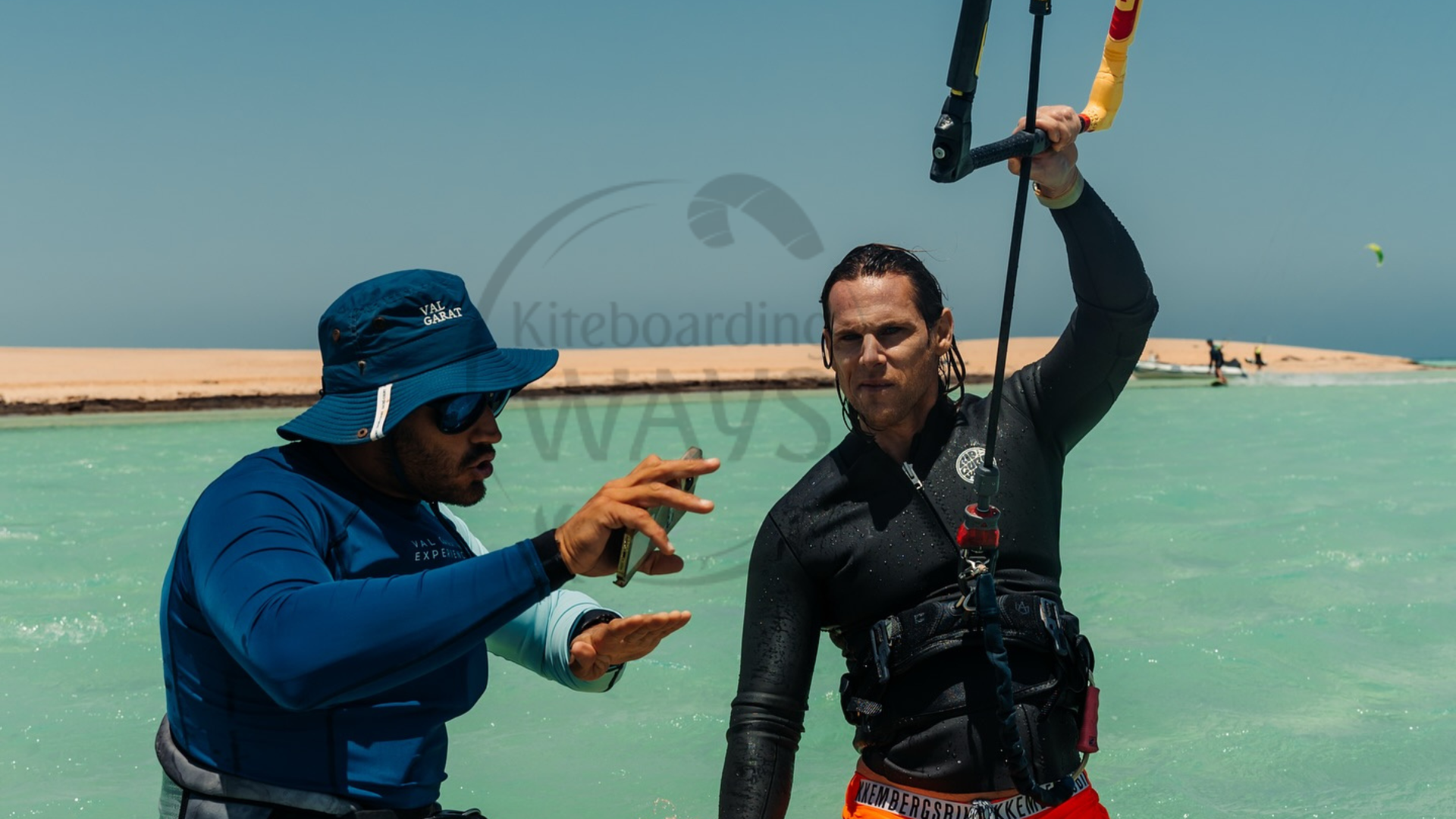
At Kiteboarding Ways, beginners don’t need to worry about equipment selection — instructors choose the correct kite size based on your weight and the day’s wind conditions.
Do You Need Multiple Kite Sizes?
Yes. Most riders eventually use more than one kite size to match different wind conditions.
A typical setup includes:
- One kite for light wind
- One kite for medium wind
- One kite for strong wind
However, beginners usually start with one kite during lessons.
Why Location Matters For Kite Size Selection
The right kite size also depends on where you ride.
Locations with steady wind and predictable conditions make it easier to choose and control kite size.
Egypt’s Red Sea is one of the most consistent kitesurfing destinations in the world, which is why many international riders choose it for learning and progression.
If you are planning your trip, starting with Kitesurfing Lessons in El Gouna will help you learn safely in ideal conditions.
Why do many international riders choose kiteboarding
Many riders traveling from Europe prefer Kiteboarding Ways because of the combination of reliable wind, safe lagoons, and structured coaching.
Our programs include:
- Certified instructors (IKO & VDWS)
- Safe shallow water conditions
- Professional equipment selection
- Wind-based lesson planning
For international visitors on short kite trips, this removes the guesswork and ensures faster progression.
After lessons, riders can continue improving through a Kite Camp in El Gouna or experience advanced conditions during a Red Sea Kite Safari.
Common Mistakes When Choosing Kite Size
Beginners often make avoidable mistakes when selecting kite size.
Avoid these:
- Choosing a kite that is too large
- Ignoring wind conditions
- Copying other riders without considering weight
- Not taking the instructor’s advice
Learning with proper guidance helps avoid these issues.
Tips For Choosing The Right Kite Size
If you are planning your trip, keep these tips in mind:
- Always check wind conditions first
- Match kite size to your body weight
- Follow instructor recommendations
- Avoid extreme wind conditions as a beginner
Choosing the correct kite size improves both safety and learning speed.
Plan Your Kitesurfing Setup In Egypt
If you’re traveling from Europe or abroad, planning your kite setup can significantly improve your experience.
At Kiteboarding Ways, we provide all equipment and adjust the kite size daily based on wind conditions and your level. This ensures you learn safely and make the most of your limited time on the water.
Because peak kite seasons fill quickly, it’s recommended to plan your lessons and sessions in advance for the best availability.
Final Thoughts
So, what size kite should you use for kiteboarding? For most beginners, a 9m to 12m kite is the ideal starting point, depending on wind conditions and body weight.
Understanding kite size helps you stay safe, maintain control, and progress faster.
For international riders visiting Egypt, the Red Sea offers one of the best environments in the world to learn, with consistent wind and professional guidance from Kiteboarding Ways.
Frequently Asked Questions
What Size Kite Should A Beginner Use?
Most beginners use a 9m–12m kite, depending on wind conditions and body weight.
Is A Bigger Kite Better For Beginners?
No. A kite that is too large can feel overpowering. The correct size depends on wind strength and rider weight.
Can I Use One Kite For All Conditions?
No. Most riders use different kite sizes for different wind conditions.
Do I Need To Buy A Kite As A Beginner?
No. During lessons, equipment is provided, and instructors select the correct kite size for you.